


Every two minutes, a woman dies from cervical cancer. Around the world, new cases of cervical cancer are rising at an alarming rate.
Yet routine vaccination against human papillomavirus (HPV), the leading cause of cervical cancer, can prevent the vast majority of cases. When combined with cervical cancer screening and treatment, HPV vaccines play a central role on the path to eliminating this deadly disease.
More than 145 countries have already integrated HPV vaccines into their routine immunization schedules, but that is not enough. Millions of women and girls, often those living in the world’s poorest countries, still lack access to the vaccines, screening and treatment that could save their lives.
Here are five quick facts that you should know about HPV, vaccines and cervical cancer:
1. Cervical cancer is the fourth most common cancer in women worldwide.
In 2022, around 350,000 women died from cervical cancer and around 660,000 new cases arose. These preventable deaths and infections have tragic and long-felt impacts on children, families and communities.
Sub-Saharan Africa, Central America and South-East Asia have the highest rates of cervical cancer deaths.
2. Almost all cervical cancer cases are linked to HPV.
More than 95 per cent of cervical cancer cases are caused by the human papillomavirus.
HPV is the most common sexually transmitted infection in the world. There are over 200 types of HPV and most have no symptoms. However, high-risk types of HPV can lead to chronic infections and pre-cancerous growths, which is why prevention and screening are so important.
3. HPV vaccines can protect against up to 90 per cent of cervical cancer cases.
Being vaccinated is the most effective way to avoid HPV infection and can protect against the HPV strains that cause up to 90 per cent of cervical cancer cases.
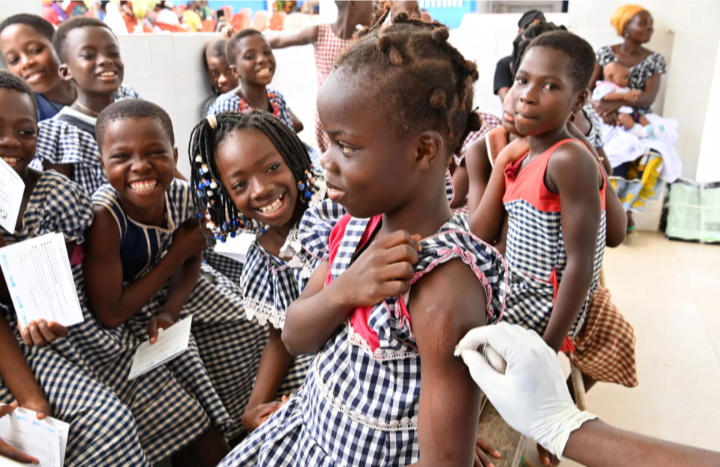
Many countries have introduced the HPV vaccine into their routine immunization programmes, primarily targeting girls 9 to 14 years of age. But more is needed.
4. Cervical cancer screening and treatment are effective and necessary.
Routine screening tests are an effective way to detect and diagnose cervical cancer. If diagnosed early, cervical cancer can often be cured by surgery alone.
Cost-effective and evidence-based tools for screening and treatment are available, but too many women and girls simply don’t have access to these interventions through their local health services
5. Women and girls in the world’s poorest countries are most at risk.
Cervical cancer has an overwhelmingly disproportionate impact on the health and well-being of women and girls in low- and middle-income countries, reflecting deep global inequities. Of the estimated cervical cancer deaths in 2022, over 90 per cent took place in low- and middle-income countries.
Increasing access to affordable vaccination, screening and treatment programs, is vital. As of 2022:
Vaccination: Less than 25 per cent of low-income countries have introduced the HPV vaccine into their immunization schedules.
Screening: Less than 5 per cent of women in many low-income countries are ever screened for cervical cancer.
Treatment: Less than 5 per cent of cancer patients living in the world’s poorest countries have access to safe, effective and timely cancer surgery.