



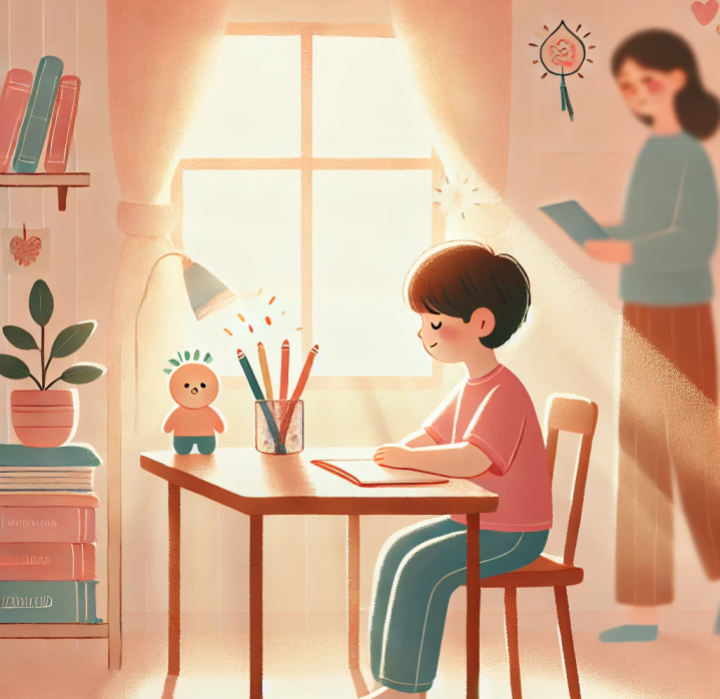
As academic demands grow and homework, projects, and tests intensify, many children find themselves under pressure that may exceed their developmental abilities. While education is essential to shaping a child’s future, the mental burden caused by heavy workloads can negatively affect their emotional well-being, behavior, and academic performance. This makes it crucial for families and schools to understand how to support and protect children during periods of intensified study.
1. How Academic Pressure Affects Children
• Anxiety and Stress
Children may fear falling short of expectations or disappointing their parents, leading to persistent stress and emotional tension.
• Mental and Physical Fatigue
Long study hours without proper rest can drain a child’s energy, causing headaches, irritability, or sleep disturbances.
• Decreased Motivation
When tasks feel overwhelming, children may lose their enthusiasm for learning and begin to procrastinate or avoid study sessions altogether.
• Behavioral Issues
Stress may manifest in mood swings, crying spells, or withdrawal from others—signals that the child is struggling internally.
2. Signs a Child Is Under Academic Stress
Difficulty sleeping or restlessness
Frequent, unexplained physical complaints (such as stomachaches)
Poor concentration or forgetfulness
Noticeable changes in mood or behavior
Avoidance of school or studying
3. Supporting a Child’s Mental Well-Being During Heavy Study Periods
• Establish a Balanced Routine
A structured schedule that includes study time, breaks, play, and adequate sleep prevents burnout and promotes healthy habits.
• Offer Emotional Reassurance
Children need to hear affirming words like “I believe in you” and “Your effort matters more than the grade.”
• Create a Comfortable Study Environment
A quiet, well-lit space with organized materials helps the child focus without unnecessary stress.
• Teach Relaxation Techniques
Deep breathing, light stretching, or a short walk can reduce anxiety and refresh the mind.
• Avoid Comparisons and Threats
Comparing a child to peers or siblings increases pressure, while encouragement fosters confidence and resilience.
4. The School’s Role in Reducing Stress
Considering individual differences among students
Using diverse assessment methods to lower test anxiety
Providing access to a school counselor or
mental-health support
Maintaining consistent communication with parents