




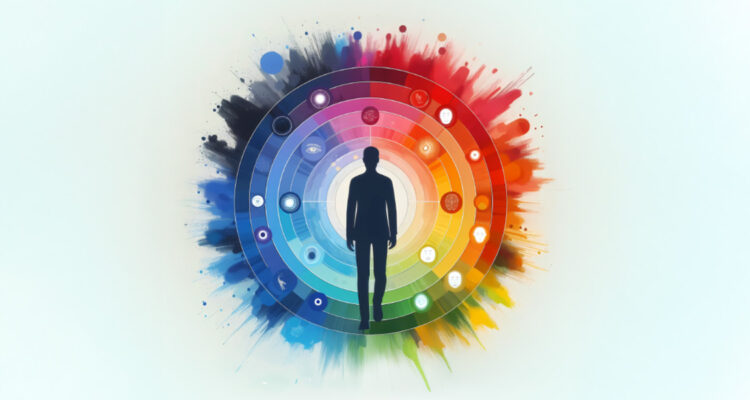
Colors play a significant role in our daily lives and have a powerful influence on our emotions, behavior, and mental well-being. The colors we see around us—whether in our homes, workplaces, clothing, or digital environments—can affect our mood, level of stress, focus, and overall psychological state. This influence is studied in the field known as color psychology.
What Is Color Psychology?
Color psychology is a branch of psychology that examines how different colors affect human emotions and behavior. Although personal experiences and cultural backgrounds can shape how individuals perceive colors, many emotional responses to colors are widely shared across people.
Effects of Colors on Mental Health
Blue
Blue is commonly associated with calmness and relaxation. It helps reduce stress and promotes a sense of safety and trust. For this reason, it is often used in bedrooms, hospitals, and therapeutic environments. However, excessive use of blue may create feelings of coldness or sadness.
Red
Red is a strong and stimulating color linked to energy, passion, and alertness. It can increase motivation and attention, but overexposure may lead to stress, anxiety, or irritability.
Yellow
Yellow represents sunlight, optimism, and happiness. It can boost creativity and mental clarity. However, too much yellow may cause restlessness or anxiety, especially in children.
Green
Green is associated with nature, balance, and harmony. It has a calming effect on the mind and helps reduce stress and emotional fatigue. This makes it a popular choice in schools, hospitals, and counseling spaces.
Purple
Purple combines the calm qualities of blue with the energy of red. It is often linked to creativity, imagination, and introspection, and is sometimes associated with spirituality and depth.
Black
Black symbolizes power, elegance, and seriousness. While it can convey strength and sophistication, excessive use may evoke feelings of sadness, isolation, or emotional heaviness.
White
White represents purity, simplicity, and new beginnings. It creates a sense of clarity and openness, but overuse may lead to feelings of emptiness or emotional coldness.
Colors in Daily Life
In homes, calming colors can promote relaxation and emotional comfort. In workplaces, balanced color schemes can improve concentration and productivity. In educational settings, colors influence learning, behavior, and children’s sense of security.
Individual and Cultural Differences
The psychological impact of colors varies from person to person. Memories, personal experiences, and cultural meanings all influence how colors are perceived. A color that feels comforting to one person may feel uncomfortable to another.
Colors are more than decorative elements; they are powerful psychological tools. When used consciously, they can support mental health, enhance emotional balance, and improve quality of life. Understanding the effects of colors allows us to create environments that positively